
As the popularity of craft beer continues to flourish, many entrepreneurs are eager to tap into the trend and open their own craft beer bars. From meticulous planning to building the perfect ambiance, this venture requires dedication, passion, and a deep understanding of the culture that surrounds craft beverages. Whether you’re envisioning a cozy tavern, a high-energy brewpub, or a haven for rare ales, some key factors and resources can make or break your success. Below, discover the detailed insights and strategies tailored for aspiring craft beer bar owners.
Designing the Perfect Atmosphere: Tips for Crafting a Unique Bar Experience
The atmosphere of your craft beer bar is paramount in shaping the customer experience and cultivating repeat business. From the interior decor to the comfort of seating, each element should contribute to the ambiance you aim to create. Rustic elements might suit a traditional pub feel, while modern, minimalist designs could cater to a more contemporary vibe. Think deeply about how the aesthetics will reflect your brand’s story and concept.
Invest in high-quality audio and lighting systems, as they have the power to transform the mood of your space. A carefully curated playlist can underscore the personality of your bar, while lighting should complement the time of day and the desired atmosphere. Consider the flow of the space as well, ensuring that there’s a harmonious balance between cozy corners and communal spaces that encourage interaction.
Remember that the physical bar itself is often the centerpiece of any beer establishment. It should be inviting and well-organized, providing a comfortable space where patrons can interact with bartenders and other customers. High-quality draft systems are pivotal to serving the perfect pint. For expert installation and maintenance, contact NW Draft Tech for draft system services, ensuring a seamless pour every time.
Navigating Legal Requirements and Licensing for Your Craft Beer Establishment

One of the first hurdles in launching a craft beer bar is understanding and adhering to the legalities of the business. The alcohol industry is highly regulated, and you’ll need to secure the proper federal, state, and local licenses to operate legally. Begin by researching the specific regulations that apply to your location, as these can vary significantly from one jurisdiction to another.
Securing your liquor license is a complex process that may take several months, so it’s wise to get started early. You may need to navigate various legal requirements such as zoning laws, health and safety codes, and alcohol distribution statutes. In many instances, you will also be required to provide documentation of your business structure, a detailed floor plan of your establishment, and proof of responsible serving practices.
Don’t overlook the importance of understanding tax implications and setting up proper accounting procedures from the outset. Taxes on alcohol can be intricate, and different types of beverages may be taxed differently. Having a robust accounting system will help you avoid pitfalls and ensure compliance with tax requirements.
Selecting and Sourcing Craft Beers: Building Relationships With Breweries
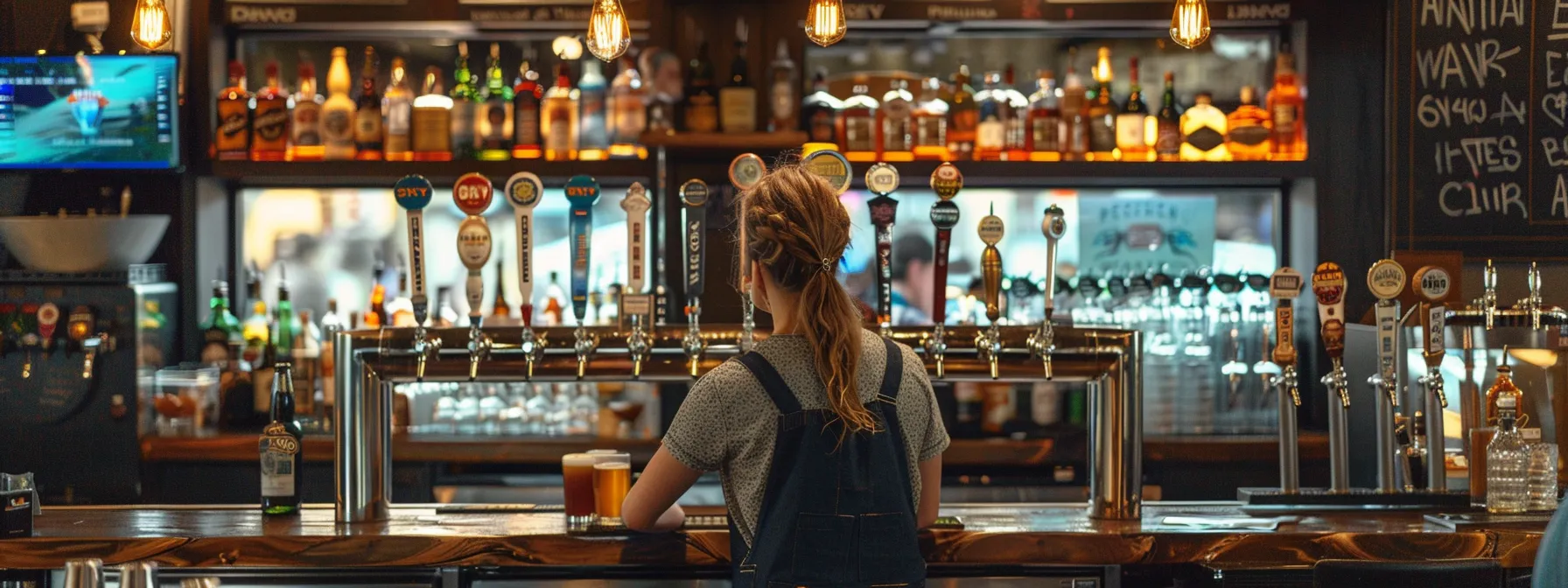
Selection and sourcing of craft beers are at the heart of your establishment’s appeal. Begin by defining the range of beers you will offer, considering a diverse lineup that appeals to both novice and seasoned consumers. Establishing a rotating selection of seasonal, limited-edition, or specialty brews can set your bar apart and keep patrons returning to discover what’s new on tap.
Building strong relationships with breweries is crucial for a successful craft beer bar. Partnerships with local microbreweries can not only supply you with fresh and unique beers but also involve collaborative events to draw in the local beer-loving community. Outreach to national and international breweries can diversify your offerings and introduce patrons to a broader world of beer.
Marketing Your Craft Beer Bar: Strategies to Attract Beer Enthusiasts and Build a Community

Effective marketing strategies are vital for the success of your craft beer bar, especially in a competitive market. Start with a cohesive branding strategy, including a memorable name, logo, and coherent online presence. Utilize social media platforms to engage with your customer base, sharing new arrivals, hosting online contests, and spotlighting popular brews.
Collaborate with breweries for co-marketing efforts. Joint events like new beer launches, tap takeovers, or brewing masterclasses can generate buzz and bring in new customers. Partnerships with local businesses, food trucks, and community organizations can broaden your reach and embed your establishment in the local scene.
Altogether, launching a successful craft beer bar requires a combination of strategic planning, legal diligence, and creative marketing. By crafting a distinct vision, navigating the regulatory landscape, creating an inviting atmosphere, carefully selecting beers, and deploying effective marketing tactics, entrepreneurs can turn their craft beer bar dream into a reality that resonates with beer enthusiasts and novices alike.
Recent Comments