
The golden years are often characterized by a desire for relaxation and the need for increased support, making assisted living communities a popular choice for many seniors. These facilities not only assist with daily tasks but also serve as a hub for social interaction and community building. The presence of organized social activities is a cornerstone of these communities, providing residents with the opportunity to nurture connections and enjoy an enriched quality of life. Below, we dive into the importance of these activities and their impact on the well-being of seniors living in assisted living environments.
Exploring the Variety of Social Activities Offered in Senior Communities
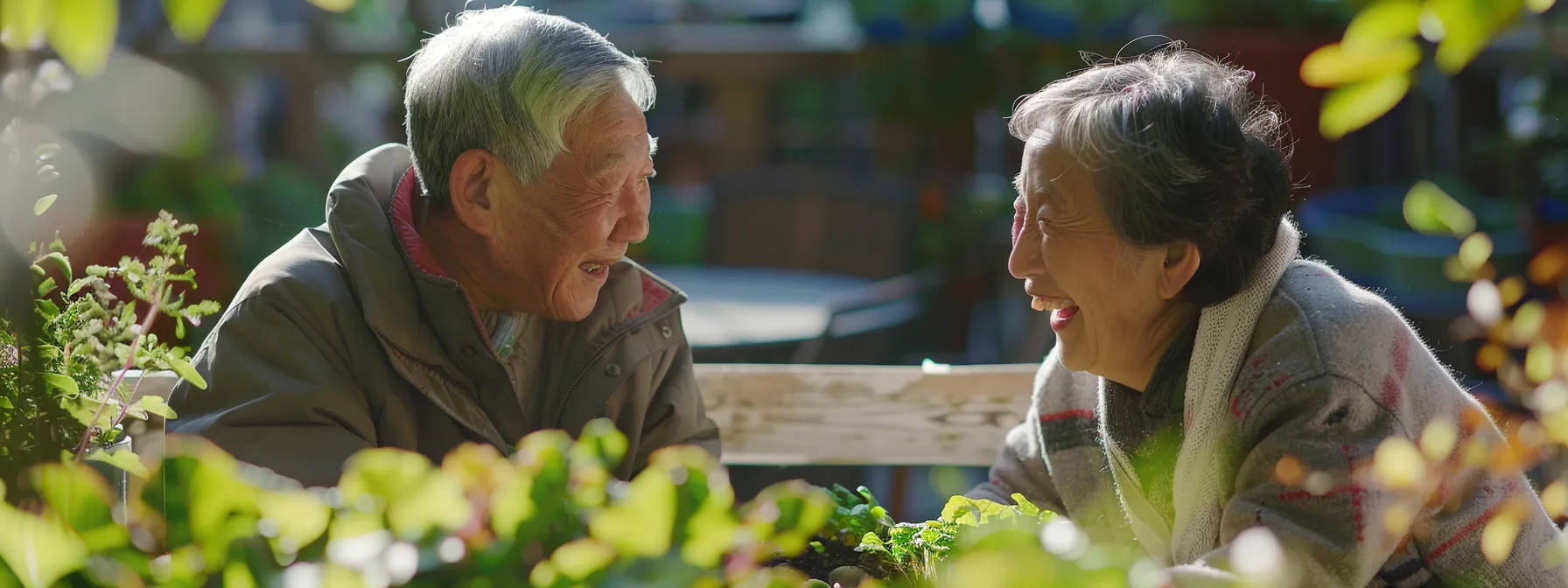
Assisted living facilities pride themselves on offering a wide array of social activities to suit diverse interests and abilities. From book clubs and art classes to music events and gardening, the options are plentiful. These activities are more than just pastimes; they are carefully considered programs that aim to stimulate both the mind and body while promoting social interaction.
Physical activities such as group exercise classes and walking clubs are popular, aiding in maintaining residents’ physical health while also encouraging camaraderie. Intellectual pursuits like chess tournaments or educational lectures help keep the mind sharp and provide intellectual stimulus and conversation fodder among peers.
Social events can also extend beyond the facility walls. Many assisted living communities organize outings to local attractions, theaters, and restaurants, offering residents a change of scenery and the chance to explore senior activities at Victoria Mews. This not only provides enrichment but also a sense of normalcy and independence.
How Social Activities in Assisted Living Can Improve Quality of Life
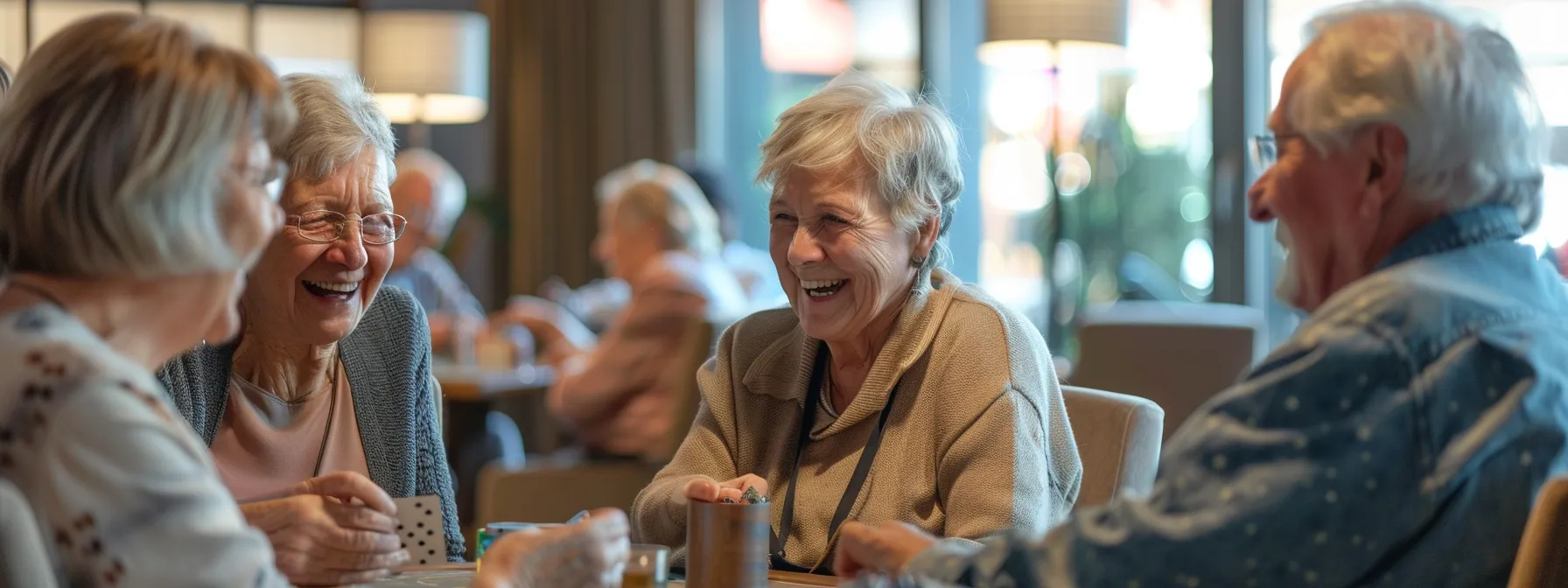
Engaging in social activities within an assisted living environment can have far-reaching effects on a senior’s quality of life. Active participation in events can lead to improved physical health outcomes, such as better mobility and reduced risk of chronic illnesses often associated with inactivity and isolation.
Emotionally, these activities can be a wellspring of joy and satisfaction. The companionship and support peers offer can be incredibly comforting for seniors, particularly for those who may be estranged from family or have experienced the loss of friends. Celebrations of birthdays and achievements provide moments of delight and personal significance.
Spiritual fulfillment is another dimension that social activities can nurture. Many assisted living facilities recognize the importance of spiritual health and incorporate activities that satisfy this aspect, such as meditation sessions or faith-based gatherings.
Encouraging Participation: Strategies for Engaging Residents in Social Events
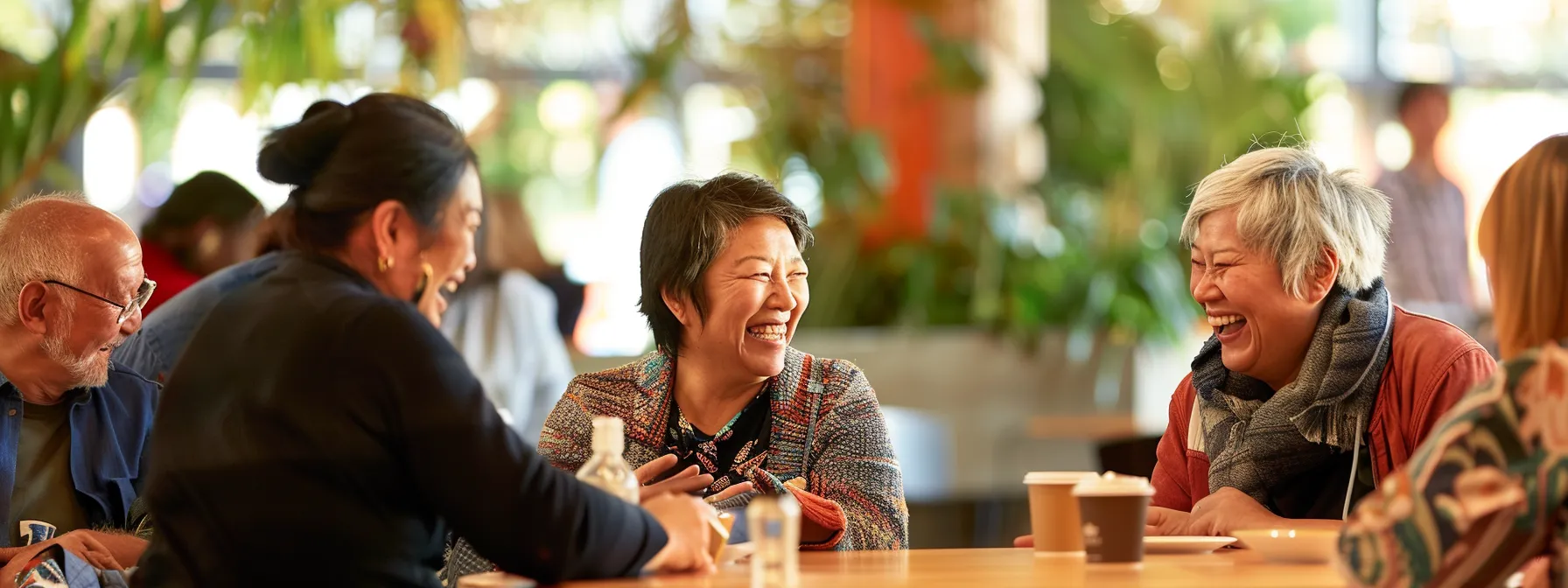
A key challenge for assisted living communities lies in encouraging residents to take part in social events. It starts with the creation of a welcoming atmosphere where everyone feels included. Staff members play an active role in inviting residents to participate and can be the bridge that connects them to activities that match their interests.
Personalized approaches are equally significant. Recognizing and respecting each resident’s individuality helps staff offer tailored invitations to events that align with their past hobbies or potential new interests. This tactic often results in residents being more willing to engage.
Peer encouragement can also serve as a powerful tool. Residents who are active participants can inspire their peers to join in, often more effectively than staff persuasion. Programs that pair new residents with established resident “ambassadors” can facilitate this peer-to-peer motivation.
Measuring the Impact: Social Activities and Senior Well-being in Assisted Living Facilities
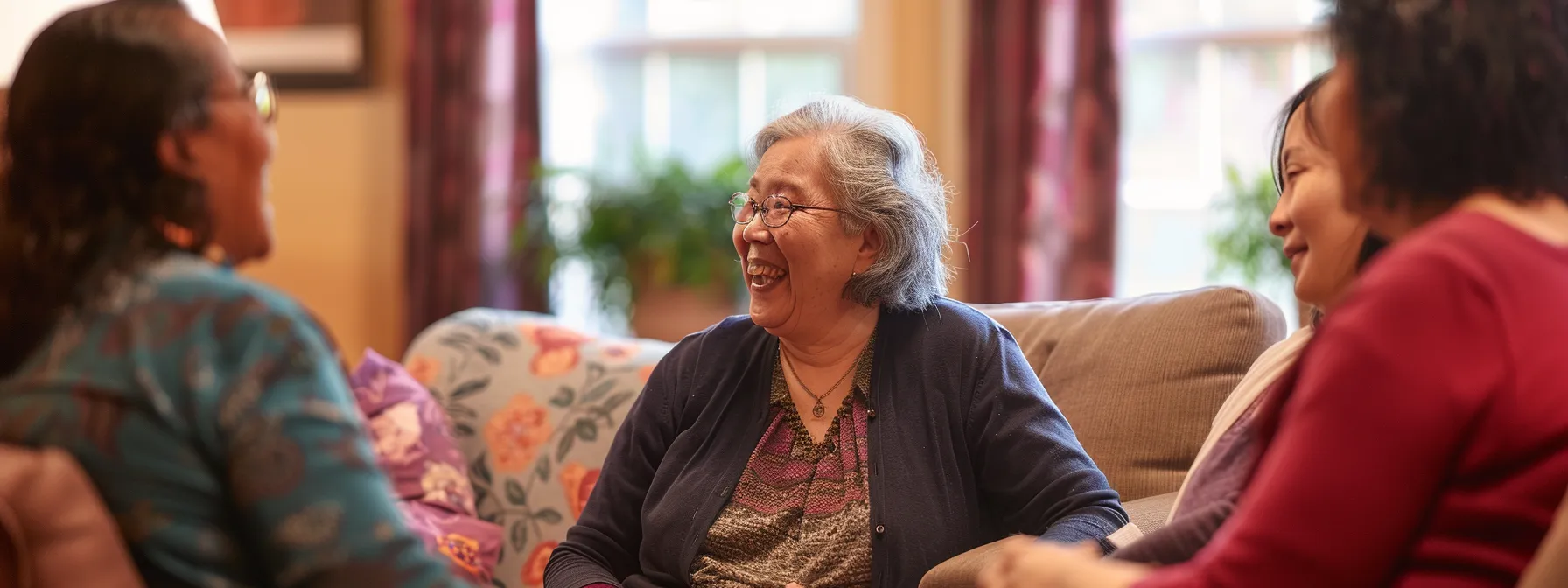
Assisted living communities are becoming increasingly adept at evaluating the impact of their social activities on residents’ well-being. Satisfaction surveys and observation are typical methods used to assess the success of different programs and events. Positive feedback not only signals current success but also helps shape future planning.
Mental health checks that take place periodically can be telling of the benefits of social activities. Where increased levels of engagement align with improved mood and cognitive function, there’s a clear indication of the positive effects of community participation.
Ultimately, the greatest measure comes from the residents themselves; in their smiles, their shared laughter, and the stories of newfound friendships and rediscovered passions. Senior living communities treasure these human outcomes as the true markers of a successful social activities program.
Overall, the tapestry of experiences offered by social activities in assisted living environments is undeniably intrinsic to the fabric of senior living. Through shared experiences, residents find laughter, companionship, and a sense of purpose that enriches every day. As we recognize the long-lasting benefits of these engagements, the commitment to nurturing these essential connections becomes even more pronounced.
Recent Comments