
In diverse sectors, from manufacturing to shipping, caps and plugs serve as critical components that protect and maintain the integrity of equipment and products. These small but essential items are used to cover exposed ends, prevent contamination, protect against environmental factors, and even maintain safety standards on the production floor. Their application spans various industries, underscoring the versatility and necessity of these protective devices. In this article, we will explore the numerous uses of caps and plugs and why they have become indispensable in so many fields.
Understanding the Versatile Role of Caps and Plugs in Various Industries
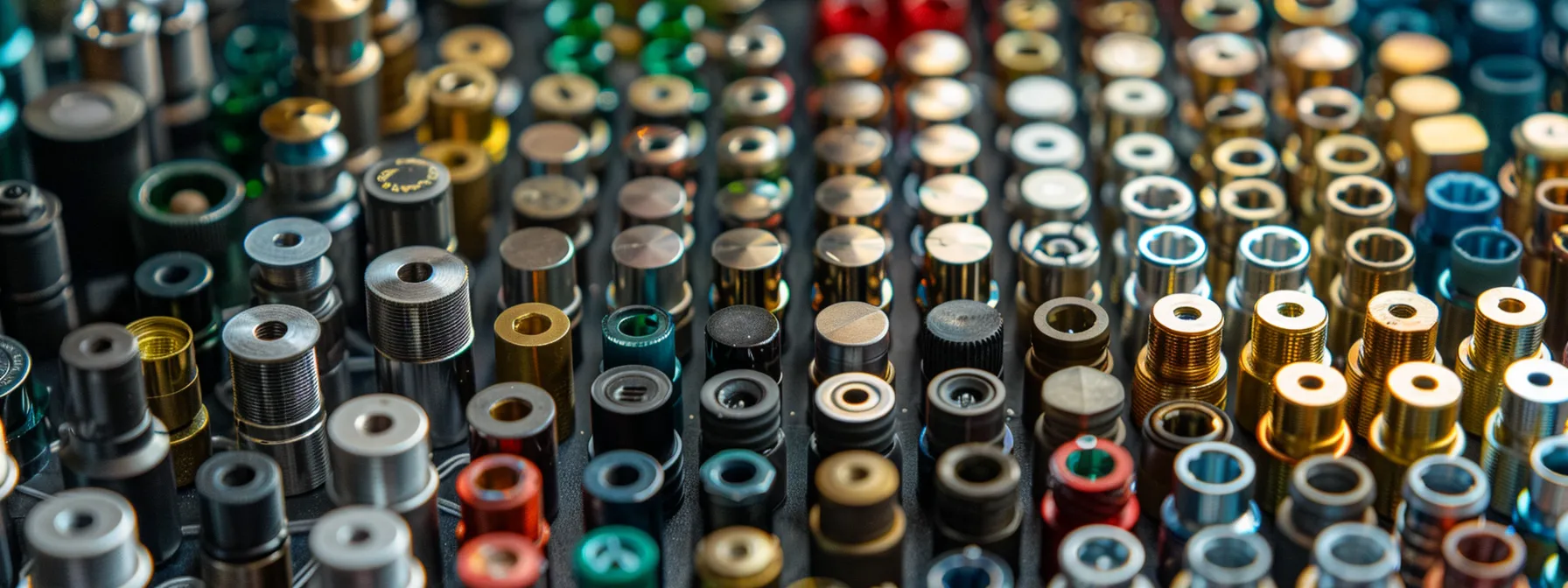
Caps and plugs are not one-size-fits-all solutions; their applications can vary widely across industries and use cases. In manufacturing, they are used to protect components during the fabrication process, preventing debris, dust, and other contaminants from affecting the quality of production. Their role in this context is crucial as they help maintain the precision required for high-quality output.
Within the medical sector, caps and plugs play a vital role in maintaining the sterility of equipment and consumables. They are used to seal medical devices, tubes, and containers, ensuring contaminants are kept at bay and maintaining the highest sanitary standards. Thus, the integrity of medical processes and patient safety are closely linked to the efficacy of these protective tools.
In electronics, precision is paramount, and caps and plugs are essential for protecting sensitive components from electrostatic discharge and environmental contaminants. They can be found safeguarding connectors and circuit boards, and during transportation and storage, their use helps prevent damage caused by jostling or exposure.
The construction industry also relies heavily on caps and plugs to protect various fittings and machinery. They are employed to cover the exposed ends of rebar, preventing rust and wear, and to plug pipes and valves, mitigating the risk of impurities entering hydraulic systems.
Protecting Products and Equipment With Caps and Plugs During Shipping and Storage
During transportation and storage, caps and plugs act as first-line defenders against potential damage to products and equipment. They provide a safeguard against physical impacts that can cause dents, scratches, or breakage, particularly for delicate components or when transporting sensitive machinery over long distances.
Environmental factors such as moisture, dirt, and temperature fluctuations pose a risk to stored and shipped items. By sealing off open ports, tubes, and connectors with caps and plugs, companies can greatly reduce the chance of corrosion and contamination, preserving the integrity of their goods until they reach their destination or are put to use.
The logistical aspect of shipping and storage also reveals the cost-effectiveness of using caps and plugs. By minimizing product returns, customer dissatisfaction, and the need for additional quality control measures, these small components can translate into significant savings for businesses.
Moreover, caps and plugs facilitate efficient inventory management by maintaining the condition of parts and equipment, enabling products to be stored for extended periods without the risk of degradation. This reliability is vital in industries where on-demand component availability is essential for rapid deployment or maintenance.
The Importance of Material Selection for Caps and Plugs in Different Environments
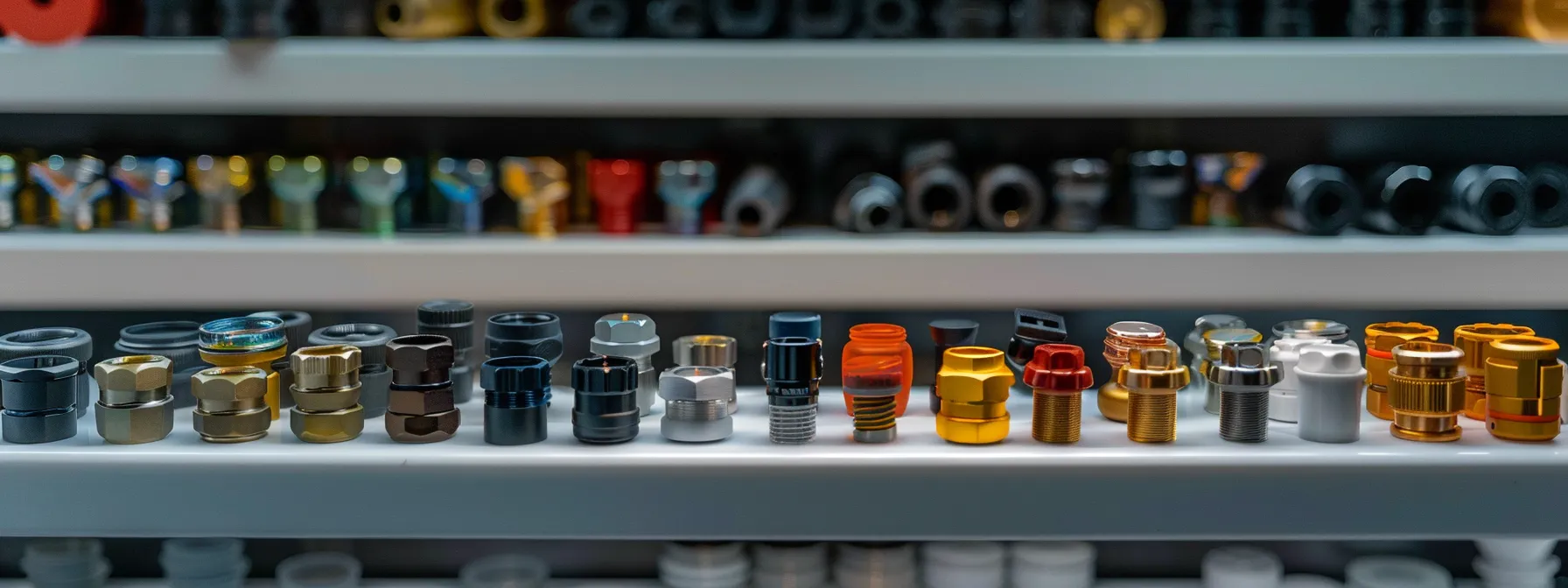
The material composition of caps and plugs is as diverse as their applications. Selection considerations include the temperature range, chemical exposure, and the physical stresses that the components will encounter. The right material can drastically extend the functional life of both the cap or plug and the item it protects.
For instance, silicone and rubber are often chosen for their flexibility and heat resistance, making them ideal for applications involving high-temperature processes or fluctuating environmental conditions. Meanwhile, plastics are favored for their corrosion resistance and electrical insulation, making them well-suited for electronics and certain industrial applications.
Metal caps and plugs are deployed in situations where strength and durability are paramount. These are commonly used in the aerospace and heavy machinery sectors, where components must withstand extreme pressures and impacts. Metal variants offer the resilience required in such demanding contexts.
Additionally, environmentally conscious choices, such as biodegradable or recyclable materials, are gaining popularity as industries strive to reduce their ecological footprint. The selection of eco-friendly materials for caps and plugs is one aspect of a broader move towards sustainability in manufacturing and related processes.
The seemingly simple caps and plugs serve as indispensable allies in the safeguarding of products, equipment, and safety across a wide range of industries. Their varied applications, combined with thoughtful material selection, contribute significantly to the efficiency, reliability, and longevity of systems and components worldwide.
Recent Comments